
If you want to rank higher on search engines, you’ve likely heard this question: What Are Backlinks and Why Are They Important? Backlinks are one of the strongest ranking factors in search engine optimization (SEO). They act like votes of confidence from one website to another.
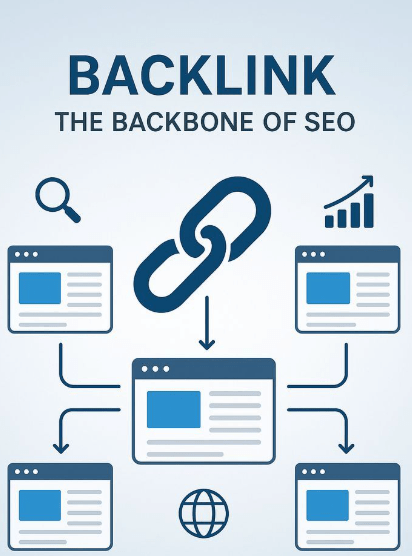
In simple terms, a backlink is a link from one website that points to another. When a reputable site links to your content, search engines like Google see it as a signal that your content is valuable and trustworthy.
Experience: How Backlinks Impact Real Websites
From practical SEO experience, websites with strong backlink profiles tend to rank higher than those without them. Even high-quality content can struggle to rank if no other websites reference it.
For example, two blogs may target the same keyword:
- Blog A has 50 backlinks from reputable websites.
- Blog B has zero backlinks.
In most cases, Blog A will rank higher because search engines view those links as endorsements.
Backlinks also drive direct referral traffic. When users click on a link from another site and land on yours, it increases exposure and potential leads.
However, not all backlinks are equal. Quality matters more than quantity.
Expertise: Understanding Different Types of Backlinks
To properly answer What Are Backlinks and Why Are They Important?, you must understand their types.
1. DoFollow Backlinks
These pass SEO value (link equity) to your website. They directly influence rankings.
2. NoFollow Backlinks
These do not pass direct ranking value but still help with traffic and brand visibility.
3. Editorial Backlinks
Earned naturally when other websites reference your content as a source.
4. Guest Post Backlinks
Created when you write content for another website and include a link back to your site.
5. Directory or Profile Links
Basic links created through listings or profiles. These carry less SEO value compared to editorial links.
Search engines prioritize natural, relevant, and authoritative backlinks over spammy ones.
Authoritativeness: Why Backlinks Build Domain Authority
Backlinks are essential because they strengthen domain authority — a measure of your website’s credibility.
When authoritative websites link to you:
- Your content appears more reliable.
- Search engines trust your expertise.
- Your rankings improve over time.
Think of backlinks like professional references. If respected experts recommend you, your reputation grows.
Strong backlink strategies often include:
- Publishing high-quality research
- Creating shareable infographics
- Writing guest posts
- Building partnerships within your niche
Authority is not built overnight. It grows steadily as more reputable sites mention your brand.
Trustworthiness: The Importance of Link Quality
Not all links help your website. Low-quality or spammy backlinks can harm your rankings.
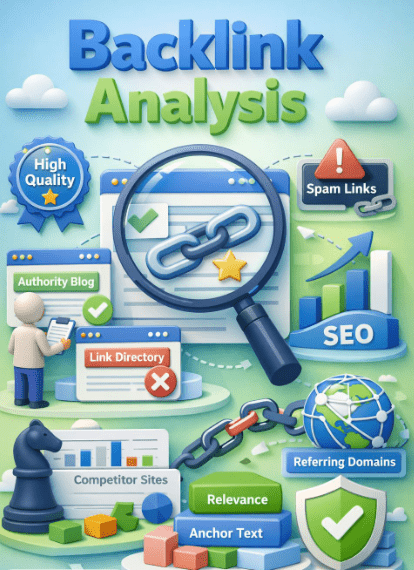
Search engines evaluate:
- Relevance of the linking site
- Authority of the domain
- Anchor text usage
- Natural link placement
If backlinks come from unrelated or suspicious websites, they may signal manipulation.
To maintain trust:
- Avoid buying links from unreliable sources.
- Focus on earning links naturally.
- Monitor your backlink profile regularly.
Trust plays a major role in long-term SEO stability.
Why Backlinks Matter for SEO
Understanding What Are Backlinks and Why Are They Important? also means recognizing their benefits:
- Improve Search Rankings – Quality backlinks boost visibility.
- Increase Organic Traffic – Higher rankings bring more visitors.
- Build Brand Credibility – Mentions from trusted sites increase reputation.
- Enhance Discoverability – Search engines crawl linked pages faster.
- Strengthen Competitive Edge – A strong link profile separates you from competitors.
Without backlinks, competing in competitive niches becomes difficult.
How to Earn High-Quality Backlinks
Here are proven methods:
1. Create Valuable Content
Guides, research articles, case studies, and original insights attract natural links.
2. Guest Blogging
Contributing articles to relevant websites builds exposure and backlinks.
3. Broken Link Building
Identify broken links on other sites and suggest your content as a replacement.
4. Digital PR
Reach out to journalists or bloggers with newsworthy insights.
5. Build Relationships
Networking within your industry often leads to organic mentions.
The focus should always remain on value rather than shortcuts.
Common Backlink Mistakes
- Buying large quantities of low-quality links
- Using repetitive anchor text
- Ignoring link relevance
- Participating in link farms
- Focusing only on quantity
Modern search engines are smart enough to detect manipulative link-building tactics.
Backlinks and the Future of SEO
Search engines continue refining their algorithms. While content quality and user experience are crucial, backlinks remain a foundational ranking factor.
However, future SEO emphasizes:
- Contextual relevance
- Brand mentions
- User engagement signals
- Authority-driven content
The goal is not just acquiring links but earning recognition within your industry.
Final Thoughts
So, What Are Backlinks and Why Are They Important?
Backlinks are links from other websites pointing to your content. They serve as endorsements that signal authority, credibility, and relevance to search engines.
When earned ethically and strategically, backlinks improve rankings, increase traffic, and build long-term trust. By focusing on quality content, industry relationships, and natural link-building methods, you create a strong foundation for sustainable SEO growth.
In the competitive digital landscape, backlinks are not optional — they are essential for visibility and authority.