
Starting an online business has never been easier. One popular model that attracts beginners is dropshipping. But many still ask, what is dropshipping and how does it actually work?
Dropshipping is an e-commerce business model where you sell products online without keeping inventory. Instead, when a customer places an order, the product is shipped directly from a supplier to the customer.
Experience: Why Dropshipping Became Popular
From real-world digital business experience, dropshipping gained popularity because it removes the biggest barrier in e-commerce — inventory investment.
Traditionally, businesses had to:
- Buy products in bulk
- Store them in warehouses
- Manage packaging and shipping
With platforms like Shopify, WooCommerce, and suppliers from AliExpress, entrepreneurs can launch stores with minimal upfront cost.
This low-risk entry model attracts:
- Students
- Side hustlers
- Startup founders
- Digital marketers
However, while entry is easy, success requires strategy.
Expertise: What Is Dropshipping and How Does It Work?
To clearly answer what is it:
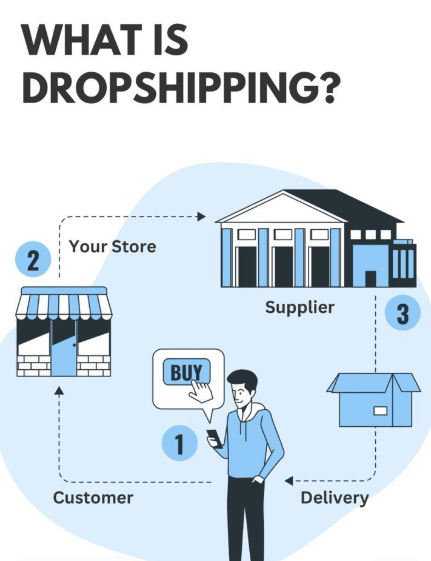
It is a retail fulfillment method where the seller does not keep products in stock. Instead, when a product is sold:
- The customer places an order on your online store.
- You forward the order to your supplier.
- The supplier ships the product directly to the customer.
- You keep the profit margin between supplier cost and selling price.
Example
If:
- Supplier price = ₹800
- Your selling price = ₹1,200
Your profit = ₹400 (before ads and operational costs).
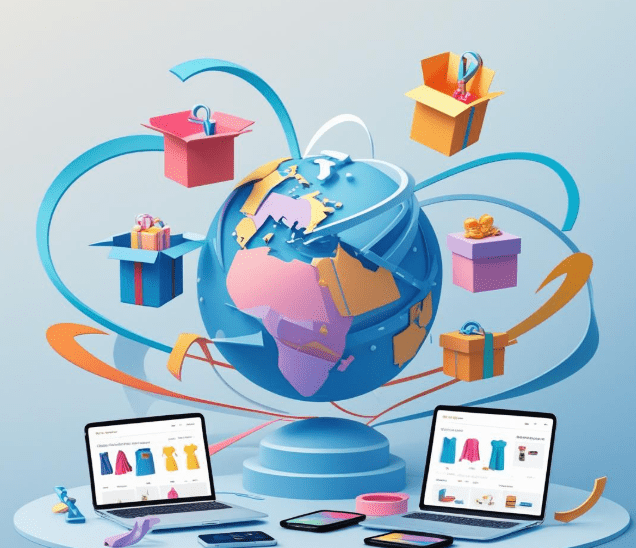
Key Components of Dropshipping
1. Online Store
Your website acts as your digital storefront.
2. Supplier
Handles inventory and shipping.
3. Marketing System
You attract customers using:
- Social media ads
- Search engine optimization
- Influencer marketing
- Email campaigns
Without marketing, a dropshipping store cannot grow.
Authoritativeness: Advantages and Disadvantages
To build authority on the topic, let’s examine both sides.
Advantages
✔ Low startup cost
✔ No warehouse required
✔ Flexible location
✔ Easy to test products
Disadvantages
✖ Lower profit margins
✖ High competition
✖ Supplier dependency
✖ Shipping delays
Many beginners fail because they focus only on advantages and ignore operational challenges.
Trustworthiness: Is Dropshipping Legit?
Yes, dropshipping is a legitimate business model. Major platforms like Amazon and eBay allow certain forms of it under guidelines.
However, trust depends on how you operate:
1. Choose Reliable Suppliers
Poor supplier quality can damage your brand.
2. Provide Transparent Shipping Information
Avoid misleading delivery times.
3. Offer Clear Return Policies
Build customer confidence.
4. Focus on Branding
Generic stores rarely succeed long-term.
Trust and customer experience determine sustainability.
Dropshipping vs Traditional E-Commerce
| Feature | Dropshipping | Traditional E-Commerce |
|---|---|---|
| Inventory | No stock | Bulk inventory |
| Investment | Low | High |
| Control | Limited over shipping | Full control |
| Risk | Lower upfront | Higher financial risk |
The model you choose depends on your goals and budget.
Is Dropshipping Profitable in 2026?
Profitability depends on:
- Product selection
- Marketing strategy
- Customer service
- Ad optimization
Winning products often solve a problem or create impulse buying behavior.
Instead of selling everything, successful sellers focus on:
- Niche markets
- Strong branding
- Unique value proposition
Common Mistakes Beginners Make
- Copying competitors without research
- Running ads without testing
- Ignoring customer support
- Choosing saturated products
Dropshipping requires analytical thinking, not just website creation.
How to Start Dropshipping Step-by-Step
- Choose a niche
- Research trending products
- Find reliable suppliers
- Build a professional store
- Create marketing campaigns
- Test, analyze, and optimize
Consistent improvement leads to growth.
Final Thoughts
So, what do we mean by it?
It is an e-commerce model that allows entrepreneurs to sell products without holding inventory. While it offers low entry barriers, it demands smart marketing, supplier management, and strong branding to succeed.
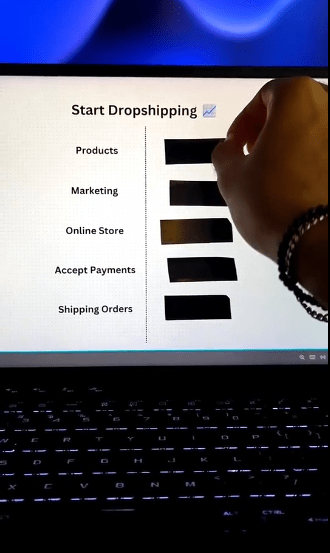
- Gain experience through research
- Apply expertise in marketing
- Build authority with valuable content
- Maintain trust through transparency
Dropshipping can become a scalable online business when executed strategically.
5 Image Concepts for This Blog
Here are five professional image ideas for your article:
- Dropshipping Process Flowchart – Customer → Store → Supplier → Customer.
- Comparison Graphic – Dropshipping vs Traditional E-Commerce.
- Online Store Mockup – Laptop screen with product listings.
- Supplier Shipping Illustration – Warehouse shipping directly to customer.
- Marketing Funnel Visual – Traffic → Conversion → Profit model.