In a world dominated by social media and paid ads, one channel continues to deliver consistent ROI: email. But many beginners still ask, what is email marketing and why is it so powerful?
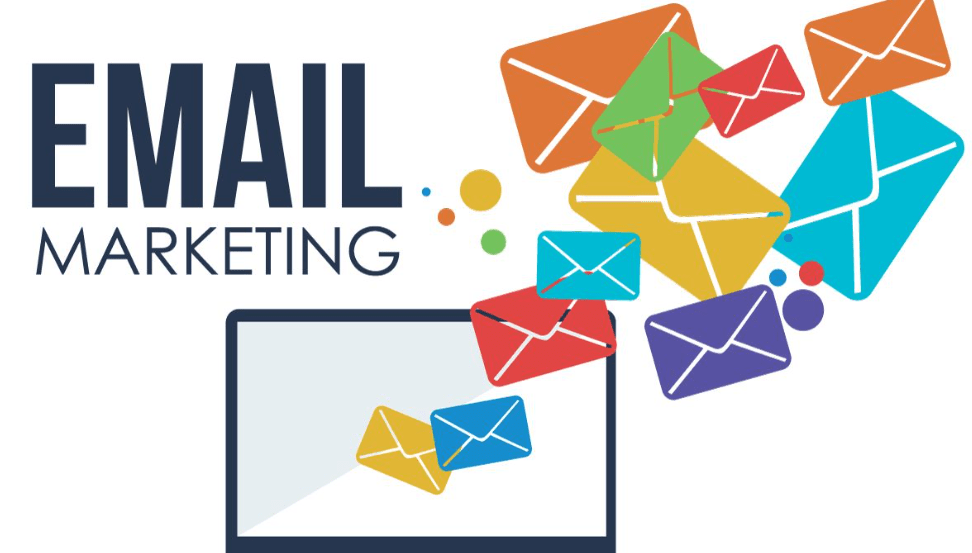
Email marketing is a digital strategy where businesses send targeted messages to a group of subscribers to promote products, share updates, nurture leads, and build long-term customer relationships. When done correctly, it becomes one of the highest-converting marketing channels available.
Email marketing is a digital strategy where businesses send targeted messages to a group of subscribers to promote products, share updates, nurture leads, and build long-term customer relationships. When done correctly, it becomes one of the highest-converting marketing channels available.
Experience: Why Email Marketing Still Works
From practical marketing experience, email remains one of the few channels businesses truly “own.” Social platforms like Instagram or Facebook can change algorithms anytime. But your email list belongs to you.
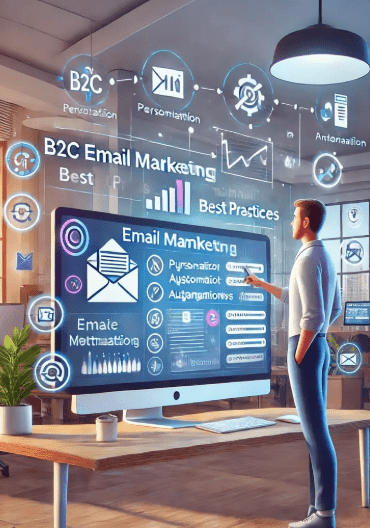
Businesses use platforms such as Mailchimp and HubSpot to manage campaigns, automate sequences, and track performance.
Here’s why it works in real scenarios:
- Direct communication with customers
- Personalized messaging
- Automated follow-ups
- High return on investment
For startups and established brands alike, email marketing builds consistent engagement without depending entirely on paid ads.
Expertise: What Is Email Marketing in Detail?
To answer clearly, what is email marketing?
It is the process of sending structured and strategic emails to a list of subscribers with a specific goal, such as:
- Promoting a product
- Sharing educational content
- Offering discounts
- Announcing launches
- Nurturing leads
It is not random messaging. Effective campaigns are:
- Targeted
- Personalized
- Data-driven
- Goal-oriented
Types of Email Marketing Campaigns
- Welcome Emails
Sent when someone joins your list. These introduce your brand and set expectations. - Newsletter Emails
Regular updates containing blogs, tips, or company news. - Promotional Emails
Focused on offers, discounts, or product launches. - Transactional Emails
Order confirmations, receipts, or shipping updates. - Automated Drip Campaigns
Pre-scheduled emails triggered by user behavior.
Each type serves a different purpose within your marketing funnel.
Authoritativeness: How Email Marketing Builds Brand Authority
Businesses that use email strategically position themselves as experts in their industry.
Here’s how:
1. Educational Content
Sharing valuable information builds credibility. For example:
- Industry insights
- How-to guides
- Case studies
When subscribers consistently receive helpful content, they begin to see your brand as reliable.
2. Consistent Branding
Professional templates, clear messaging, and strong calls-to-action strengthen brand identity.
3. Segmentation
Advanced email marketing allows audience segmentation based on:
- Location
- Purchase history
- Interests
- Behavior
This ensures the right message reaches the right person at the right time.
Authority grows when communication feels relevant and personalized.
Trustworthiness: Building Long-Term Relationships
Trust is essential in digital communication. Here’s how email marketing supports trust:
Transparent Communication
Always:
- Include clear unsubscribe options
- Avoid misleading subject lines
- Respect privacy laws
Data Protection
Secure platforms ensure subscriber data is protected. Businesses must follow regulations like GDPR for international audiences.
Consistent Value
If every email only sells, subscribers will disengage. Balance promotional messages with educational or helpful content.
When subscribers trust your communication, they are more likely to convert and remain loyal customers.
Benefits of Email Marketing
Understanding what is email marketing also means understanding its benefits:
- High ROI compared to many paid channels
- Measurable metrics (open rate, click-through rate, conversions)
- Automation saves time
- Scalable for any business size
- Strong customer retention tool
Unlike some channels, email marketing supports every stage of the customer journey.
Email Marketing in the Marketing Funnel
Email fits into all funnel stages:
Awareness Stage
Lead magnets such as free guides encourage sign-ups.
Consideration Stage
Educational sequences nurture subscribers.
Conversion Stage
Targeted offers encourage purchases.
Retention Stage
Loyalty emails and updates maintain relationships.
This structured approach transforms casual visitors into repeat buyers.
Best Practices for Effective Campaigns
To maximize results:
- Write compelling subject lines
- Keep emails concise and clear
- Use mobile-friendly designs
- Include strong calls-to-action
- Test and analyze performance
Tracking metrics like open rate and click rate helps optimize future campaigns.
Common Mistakes to Avoid
- Buying email lists
- Sending too many emails
- Ignoring analytics
- Overloading emails with sales content
Strategic planning ensures long-term engagement.
Final Thoughts
So, what is email marketing?
It is a powerful digital communication strategy that allows businesses to connect directly with their audience, nurture leads, and drive measurable results.
When executed with experience, expertise, authority, and trust, email marketing becomes more than a promotional tool — it becomes a relationship-building engine.
In today’s competitive digital landscape, businesses that understand what is email marketing and apply it strategically gain a significant advantage.
5 Image Concepts for This Blog
Here are five professional image ideas you can use:
Customer Engagement Concept Image – Inbox notifications with brand messaging.
Email Marketing Funnel Illustration – Awareness to retention stages.
Dashboard Analytics Mockup – Open rates, click rates, conversions.
Email Automation Workflow Graphic – Drip campaign visual flowchart.
Newsletter Design Template Preview – Modern responsive layout.